
Loading...
Serving Hanahan, SC and surrounding areas. (843) 543-6405
Hanahan Insulation is Charleston, SC's local insulation contractor, handling commercial insulation, attic upgrades, and crawl space work for homes and businesses across the city. We have been serving the greater Charleston area since 2020, and our crew works regularly on properties ranging from historic peninsula homes to newer commercial buildings in North Charleston and West Ashley.
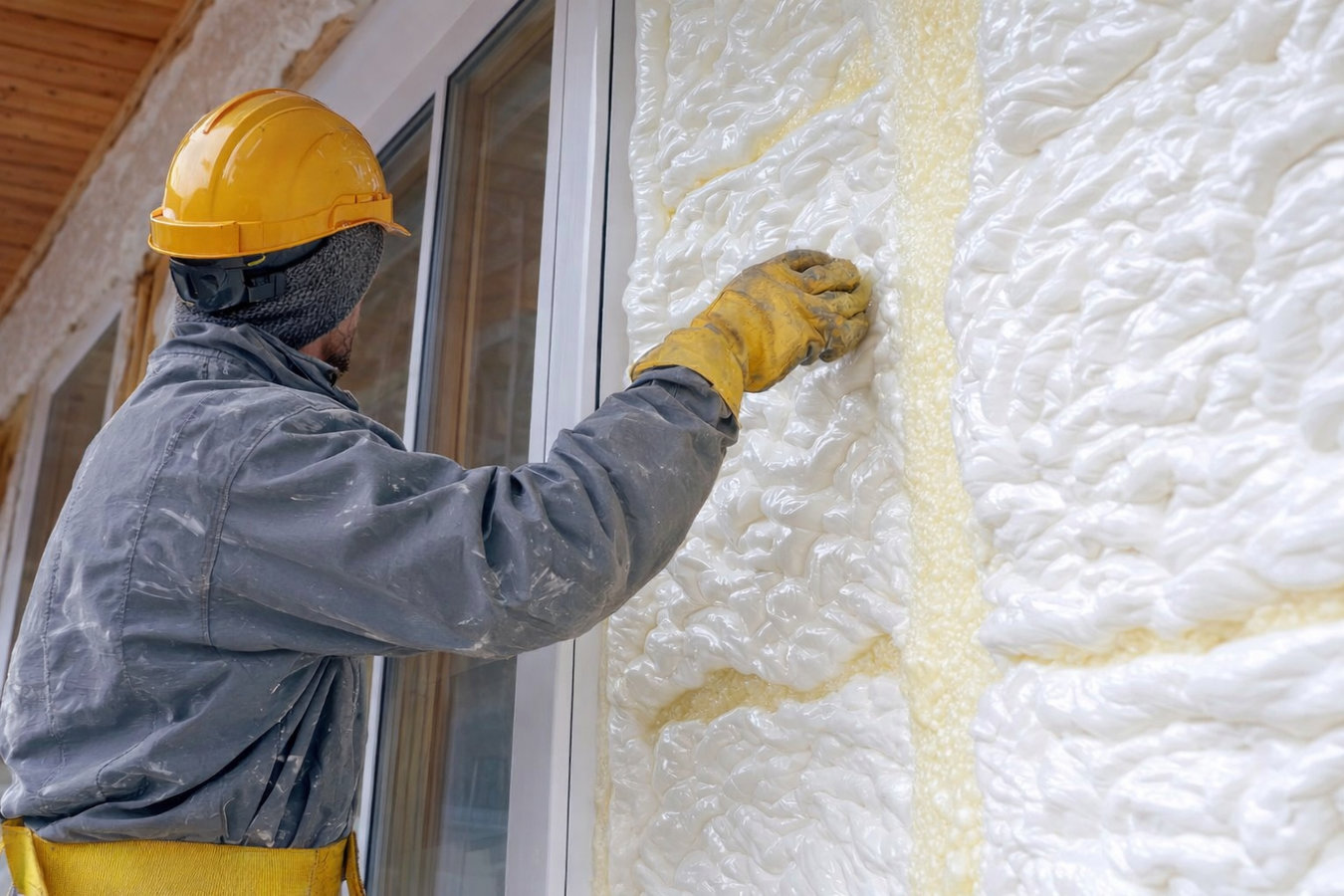
Charleston has a large and varied commercial building stock - from older brick storefronts on King Street to warehouse-style buildings along the Neck and in the North Charleston industrial corridor. Many of these buildings were constructed to energy standards that are now decades out of date, and inadequate insulation is one of the main reasons commercial energy bills stay high in the South Carolina heat. See our full commercial insulation page for details on how we approach this work.
In Charleston's summer heat, attic temperatures can push well above 130 degrees, and homes with thin or degraded insulation transfer that heat straight through the ceiling into living spaces. Historic homes on the peninsula - many built before World War II with original materials - frequently have attic insulation that has been compressed, disturbed by renovations, or simply never upgraded from what was installed decades ago.
A large share of Charleston homes - especially those built before the 1990s on the peninsula and in West Ashley - sit on crawl space foundations that were never designed to manage the humidity levels common in the Lowcountry. Tidal flooding and high groundwater in low-lying neighborhoods mean crawl space moisture is not just a rainy-season problem here; it shows up year-round.
Closed-cell spray foam is one of the most effective options for Charleston's coastal climate because it seals air leaks and resists moisture at the same time. For older homes near the historic district with irregular framing, brick foundations, and gaps that are impossible to reach with batt insulation, spray foam fills those voids completely and holds up in the humidity that breaks down other materials over time.
Charleston's low-lying terrain and high groundwater table mean that moisture beneath homes is a persistent issue, not an occasional one. Homes in flood-prone neighborhoods like Harleston Village and parts of Wagener Terrace face elevated groundwater even without storm events. A properly installed vapor barrier stops ground moisture from evaporating into floor joists and ultimately into living spaces.
Historic Charleston homes were built before modern air-sealing practices existed, and many have gaps around original plumbing chases, chimney bases, and old electrical penetrations that allow conditioned air to escape continuously. Sealing those paths before adding new insulation is the step that most homeowners miss - and the one that determines whether the insulation upgrade actually reduces energy costs.
Charleston has some of the oldest housing stock in the country. The historic district on the peninsula contains homes built in the 1700s and 1800s, and a large portion of the city's residential properties date to before 1950. These homes were built with heart pine framing, brick pier or rubble stone foundations, and original plaster walls - materials and construction methods that behave very differently from modern builds. Applying the same insulation approach to a pre-Civil War South of Broad home as to a 2005 vinyl-sided ranch in West Ashley would be a mistake, and contractors who do not regularly work in this city often do not appreciate that difference until something goes wrong.
On top of the historic building challenges, Charleston's coastal climate creates moisture conditions that simply do not exist in drier parts of the country. The city regularly ranks among the most flood-prone in the United States, and tidal flooding - sometimes called "sunny day flooding" - can saturate crawl spaces and yard soil even without a storm. Average annual rainfall is around 49 inches, humidity stays high year-round, and summer temperatures routinely push into the low 90s. That combination accelerates wear on insulation materials, promotes mold in under-sealed crawl spaces, and creates the kind of persistent energy loss that keeps utility bills elevated no matter how new the HVAC system is.
Our crew works throughout Charleston regularly, and we understand the local conditions that affect insulation work here. Charleston is a city where the housing stock varies dramatically by neighborhood - the crawl space under a brick pier home near Rainbow Row on the peninsula is a fundamentally different job from a vented crawl space under a 1960s ranch in West Ashley, and our approach reflects that. We also do commercial work throughout the city, including on older buildings in the commercial corridors along Meeting Street and the North Charleston industrial areas near the former Navy base.
Working in Charleston's historic district means understanding the city's flooding challenges and how they affect the materials we select for crawl spaces and lower-level applications. We use closed-cell foam and sealed vapor barriers in situations where vented crawl spaces would be a liability, and we account for the groundwater conditions in low-lying areas before recommending a scope of work.
We also serve homeowners in neighboring communities. If you are in West Ashley - the large residential area west of the Ashley River that includes many of Charleston's 1950s and 1960s brick ranch neighborhoods - we handle the same range of attic, crawl space, and air sealing work. Homeowners in James Island and Johns Island are also within our regular service territory.
Reach out by phone or through our contact form. We reply within 1 business day. You do not need to have a specific problem diagnosed - just let us know your address, whether it is residential or commercial, and what prompted you to call.
We visit the property, inspect your attic, crawl space, or the commercial areas of concern, and measure what is there now. We provide a written estimate that lays out exactly what will be done, what materials will be used, and what the total cost will be - before any work starts. For historic or commercial properties, we will tell you upfront whether a permit is required.
Most residential jobs in Charleston are completed in one day, often in a single morning. Commercial projects typically run one to three days depending on building size. You do not need to be present for the work, though we ask that attic hatches and crawl space entrances are accessible. Spray foam applications require the treated area to be unoccupied for a few hours while the material cures.
Before we leave, we walk you through the completed work and answer any questions. You receive written documentation of what was installed - material type, coverage area, and depth or thickness - which you will need for any tax credit or insurance claim. We leave the space clean.
We serve residential and commercial properties throughout Charleston, SC. Most estimates are scheduled within a few days of your first call.
(843) 543-6405Charleston, South Carolina is one of the oldest cities in the country, with a population of around 150,000 and a metro area exceeding 800,000 residents. The city is built on a peninsula between the Ashley and Cooper rivers, and its historic district - anchored by landmarks like The Battery and the antebellum homes of the South of Broad neighborhood - contains some of the most architecturally significant residential properties on the East Coast. The housing stock ranges from 18th-century single houses on narrow lots downtown to postwar brick ranches in West Ashley and newer subdivisions on James Island and Johns Island.
Charleston's neighborhoods each have a distinct character. The historic district on the peninsula is dense with pre-1900 homes and strict preservation guidelines. West Ashley, developed heavily in the 1950s through 1970s, is a suburban area with single-story brick homes and larger lots. North Charleston - a separate city that borders Charleston to the north - has a mix of industrial areas, commercial corridors, and working-class residential neighborhoods. Homeowners across all of these areas share the common challenge of managing a coastal climate that is hard on homes year-round. Neighboring communities like Mount Pleasant across the Arthur Ravenel Jr. Bridge and James Island to the southwest are part of the same service territory we cover regularly.
Seals gaps and expands on contact for airtight, lasting thermal protection.
Learn MoreProtects floors and pipes from moisture and temperature extremes below.
Learn MoreDense, waterproof foam delivering the highest R-value per inch available.
Learn MoreLightweight foam that fills large cavities and absorbs sound effectively.
Learn MoreCode-compliant insulation for offices, warehouses, and commercial buildings.
Learn MoreBlocks ground moisture to prevent mold, rot, and structural damage.
Learn MoreControls moisture migration throughout your home for a healthier environment.
Learn MoreTargets attic bypasses and penetrations to stop conditioned air from escaping.
Learn MoreUpgrades insulation in existing finished walls without major demolition.
Learn MoreCall Hanahan Insulation today or fill out our contact form to schedule a free on-site estimate anywhere in Charleston, SC.