
Loading...
Serving Hanahan, SC and surrounding areas. (843) 543-6405
Hanahan Insulation provides vapor barrier installation, crawl space insulation, spray foam, and attic upgrades for Folly Beach, SC homeowners and property investors dealing with the year-round salt air, coastal humidity, and flood zone construction requirements that come with owning a home on the island. We have served this area since 2020 and respond to every request within one business day.
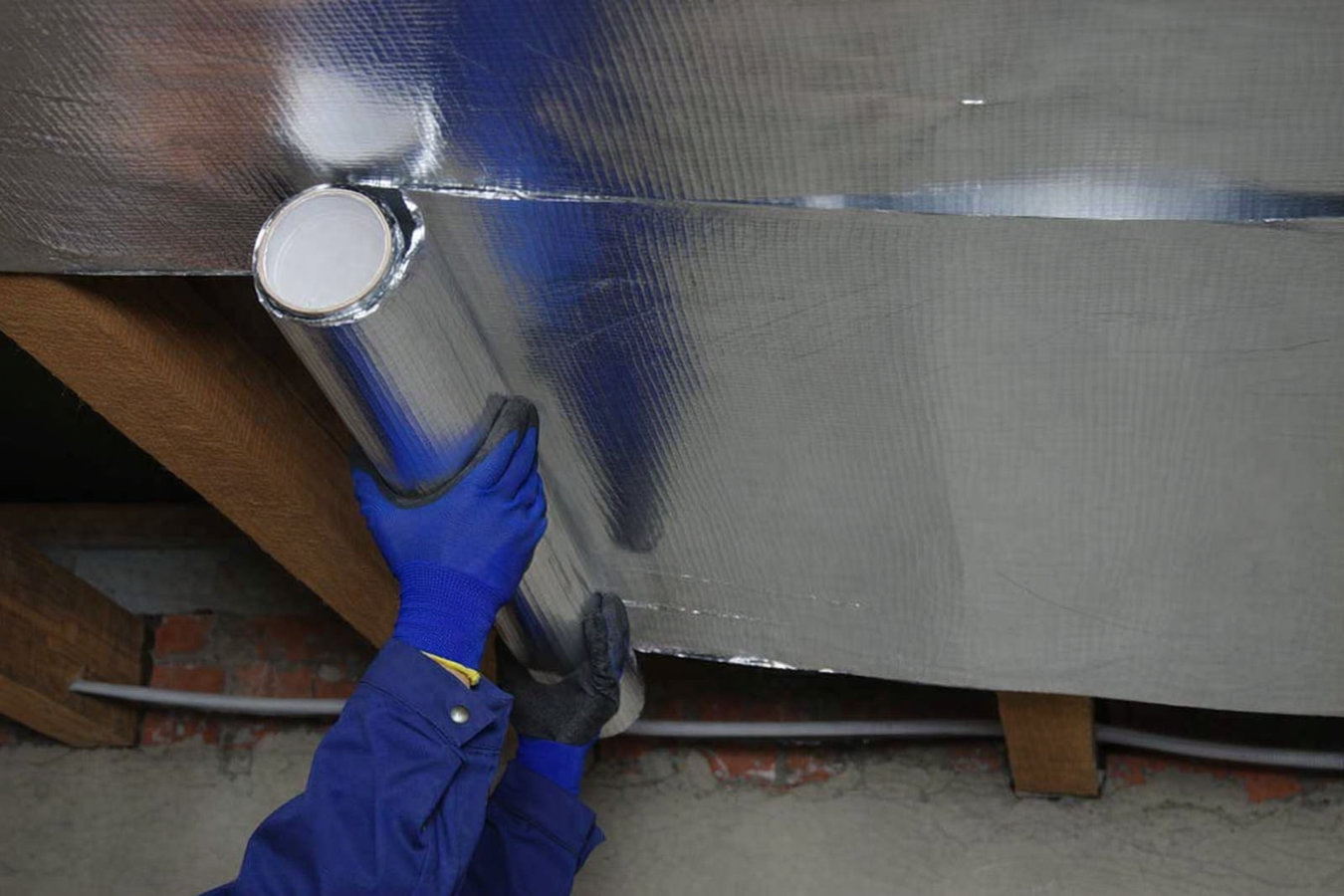
On a coastal barrier island where the soil stays wet year-round and salt-laden air circulates constantly, a properly installed vapor barrier is not optional for any home with a crawl space or open under-floor area. For Folly Beach properties - including elevated pier homes where the underside of the floor deck is directly exposed to coastal air - the barrier is the foundation of everything else. Learn more on our vapor barrier installation page.
Many Folly Beach homes - including older beach cottages and mid-century properties near Center Street and the residential blocks inland from the ocean - have crawl spaces or elevated floor structures that have never had adequate insulation. When the floor deck between you and the coastal air below has no insulation, the salt air acts on your floor joists and subfloor continuously. Adding proper insulation, combined with a vapor barrier, is the most durable long-term solution for homes in this environment.
For Folly Beach crawl spaces, elevated under-floor areas, and rim joists, closed-cell spray foam is the material best suited to salt air and coastal humidity. Unlike fiberglass batts - which absorb moisture and begin breaking down within a few years in this environment - closed-cell foam resists moisture intrusion and does not degrade from salt air exposure. For properties near the Folly River or the oceanfront, it is the most durable choice available for floor and rim joist insulation.
Folly Beach vacation homes and full-time residences alike face extreme attic temperatures during the long coastal summer - heat that pushes through the roof and ceiling into the living space below when insulation is thin, old, or absent. Older beach cottages and bungalows on the island frequently have minimal original attic insulation that has compressed and settled over the years. Bringing attic coverage up to the depth needed for this climate zone is one of the most cost-effective upgrades an island home can receive.
Salt-laden outdoor air that finds its way through gaps in the attic floor, around recessed lights, and at plumbing penetrations brings corrosive moisture into the home's structure. On Folly Beach, where that air is present 365 days a year, sealing those gaps before or alongside new insulation protects both the building materials and the insulation itself. Skipping air sealing when upgrading insulation is especially costly in a coastal environment where the air carrying moisture through those gaps never stops.
For Folly Beach homes where a basic barrier is already in place but was installed years ago or with thin material, replacement with a thicker, properly sealed system can meaningfully reduce the moisture load on floor framing and subfloor materials. Older barriers on island properties - particularly those installed more than 15 to 20 years ago - often have tears, loose seams, and degraded material that provides little practical protection given the intensity of coastal moisture exposure here.
Folly Beach is a small coastal barrier island about 12 miles south of downtown Charleston, and the conditions here are genuinely different from anywhere else in the region. The island sits surrounded by the Atlantic Ocean on one side and the Folly River on the other, and the permanent population of around 2,200 people lives on a strip of land only about 6 miles long and a half-mile wide. Salt air is present every day of the year - not just during storms - and the soil stays saturated for much of the year. Most homes on the island are built on wood pilings to meet FEMA flood zone requirements, which means the underside of the floor deck is directly exposed to that coastal air with nothing between it and the ocean environment below. Standard insulation materials that work fine in an inland suburban home do not hold up the same way here. Fiberglass batts in a Folly Beach crawl space or under-floor area can begin absorbing moisture and failing within a few years if the moisture pathway below is not properly controlled first. Contractors who do not work in coastal environments regularly will not always recognize that difference until the damage is already visible.
The housing stock adds to the complexity. Folly Beach has a mix of mid-century beach cottages that have been on the island for decades alongside newer elevated vacation homes built in the 1990s through today, many of them used primarily as short-term rental properties. The older cottages often have original insulation materials - or none at all - and small, difficult-to-access crawl spaces or under-floor areas. The newer elevated homes on pilings have different structural geometry but face the same coastal moisture exposure. Many property owners live in Charleston or out of state and manage their Folly Beach homes remotely, which means contractors often need to work and communicate without the owner present - something we are accustomed to doing. According to FEMA flood insurance guidance, elevated construction in high-risk flood zones like Folly Beach comes with specific requirements that affect how moisture control work is permitted and executed.
Our crew works throughout Folly Beach regularly, and we understand the local conditions that affect insulation contractor work here. We are familiar with the elevated pier home construction that makes up most of the newer housing stock on the island, and we know what conditions typically look like under older beach cottages that have been sitting close to the water for decades. The island is accessed by Folly Road from the mainland, which connects to Center Street - the island's main commercial strip - and the residential streets that run parallel and perpendicular to it on both sides.
Because a high share of Folly Beach properties are vacation rentals or second homes, we are experienced working with absentee property owners and coordinating jobs where the owner is not on-site. We can communicate by phone or email, provide documentation of the work completed, and flag anything we observe during the job that is worth the owner knowing about. Many island homeowners want that level of communication precisely because they are not there to see the work themselves. For the beach homes near the Edwin S. Taylor Fishing Pier at the center of the island to the quieter streets near Folly Beach County Park on the west end, we cover all of Folly Beach.
We also serve the adjacent areas on either side of the island. We work regularly in James Island just to the north, where tidal creek exposure and coastal humidity create conditions that are similar to Folly Beach though somewhat less intense, and across the Charleston metro including Mount Pleasant on the other side of the harbor.
Call or submit a request and we will get back to you within one business day. We will ask a few basic questions - home age, foundation type, and what you have noticed - so we arrive prepared. Remote property owners are welcome to coordinate entirely by phone or email.
We inspect the crawl space or under-home area, the attic if relevant, and any specific areas of concern. For Folly Beach homes, we pay close attention to signs of salt air damage and moisture intrusion in framing - conditions that look different here than on the mainland. The assessment is free with no obligation to proceed.
You receive a written estimate that clearly explains what is included, what materials will be used, and why those materials suit this specific coastal environment. We recommend the materials appropriate for Folly Beach conditions - not just whatever is cheapest - and explain the difference if more than one option makes sense for your property.
The job typically takes one to two days for most Folly Beach properties. We document the finished work with photos so absentee owners can see what was done without traveling to the island. We will note anything else we observed during the job that is worth knowing - and we provide documentation for any tax credit or utility rebate you may be eligible to claim.
We serve all of Folly Beach - from the older cottages near Center Street to the elevated homes on the west end near Folly Beach County Park. One business day response, free in-person estimate, no obligation.
(843) 543-6405Folly Beach is a small coastal city on a barrier island in Charleston County, about 12 miles south of downtown Charleston and accessible via Folly Road. The island is roughly 6 miles long and a half-mile wide, with a permanent resident population of around 2,200 people - though its population swells significantly during the tourist season. The island has long carried the informal nickname "The Edge of America," a reflection of its laid-back, unpretentious character compared to other South Carolina beach towns. Center Street is the heart of the island, lined with local restaurants, surf shops, and bars that draw both residents and visitors. The Edwin S. Taylor Fishing Pier extends over 1,000 feet into the Atlantic and is one of the most recognized landmarks on the island. Folly Beach County Park, operated by Charleston County, sits on the west end of the island and offers wide beach access to both the ocean and the Folly River. The island faces well-documented erosion challenges - Folly Beach has one of the highest erosion rates in South Carolina, and the South Carolina Department of Natural Resources and the Army Corps of Engineers have been involved in ongoing beach renourishment efforts.
The housing stock on Folly Beach covers two broad eras. Older mid-century beach cottages - some dating to the 1940s and 1950s - occupy the interior blocks and some of the older streets near the center of the island. These properties are often modest in size, built with wood framing, and have had varying degrees of maintenance over the decades. The larger share of current housing consists of newer elevated vacation homes built from the late 1980s through the present, many of them on pilings eight to twelve feet off the ground to meet FEMA flood zone requirements for this high-risk coastal area. A large share of these properties are used as short-term vacation rentals rather than primary residences, and many owners manage them from Charleston or from out of state. Neighboring James Island sits just north across the waterway and provides the main land connection to the Charleston metro. Across the harbor, Mount Pleasant is the other large coastal suburb in the Charleston area, with its own set of coastal housing conditions.
Seals gaps and expands on contact for airtight, lasting thermal protection.
Learn MoreProtects floors and pipes from moisture and temperature extremes below.
Learn MoreDense, waterproof foam delivering the highest R-value per inch available.
Learn MoreLightweight foam that fills large cavities and absorbs sound effectively.
Learn MoreCode-compliant insulation for offices, warehouses, and commercial buildings.
Learn MoreBlocks ground moisture to prevent mold, rot, and structural damage.
Learn MoreControls moisture migration throughout your home for a healthier environment.
Learn MoreTargets attic bypasses and penetrations to stop conditioned air from escaping.
Learn MoreUpgrades insulation in existing finished walls without major demolition.
Learn MoreSalt air and coastal humidity work on your home year-round - we will tell you honestly what your property needs and get it done right the first time.