
Loading...
Serving Hanahan, SC and surrounding areas. (843) 543-6405
Hanahan Insulation is Mount Pleasant, SC's local insulation contractor, specializing in attic insulation, crawl space work, and spray foam for homeowners across the town. We have served the greater Charleston area since 2020, and our crew works regularly throughout Mount Pleasant - from the older neighborhoods near Shem Creek and the Old Village to the newer subdivisions in Park West and Carolina Park.
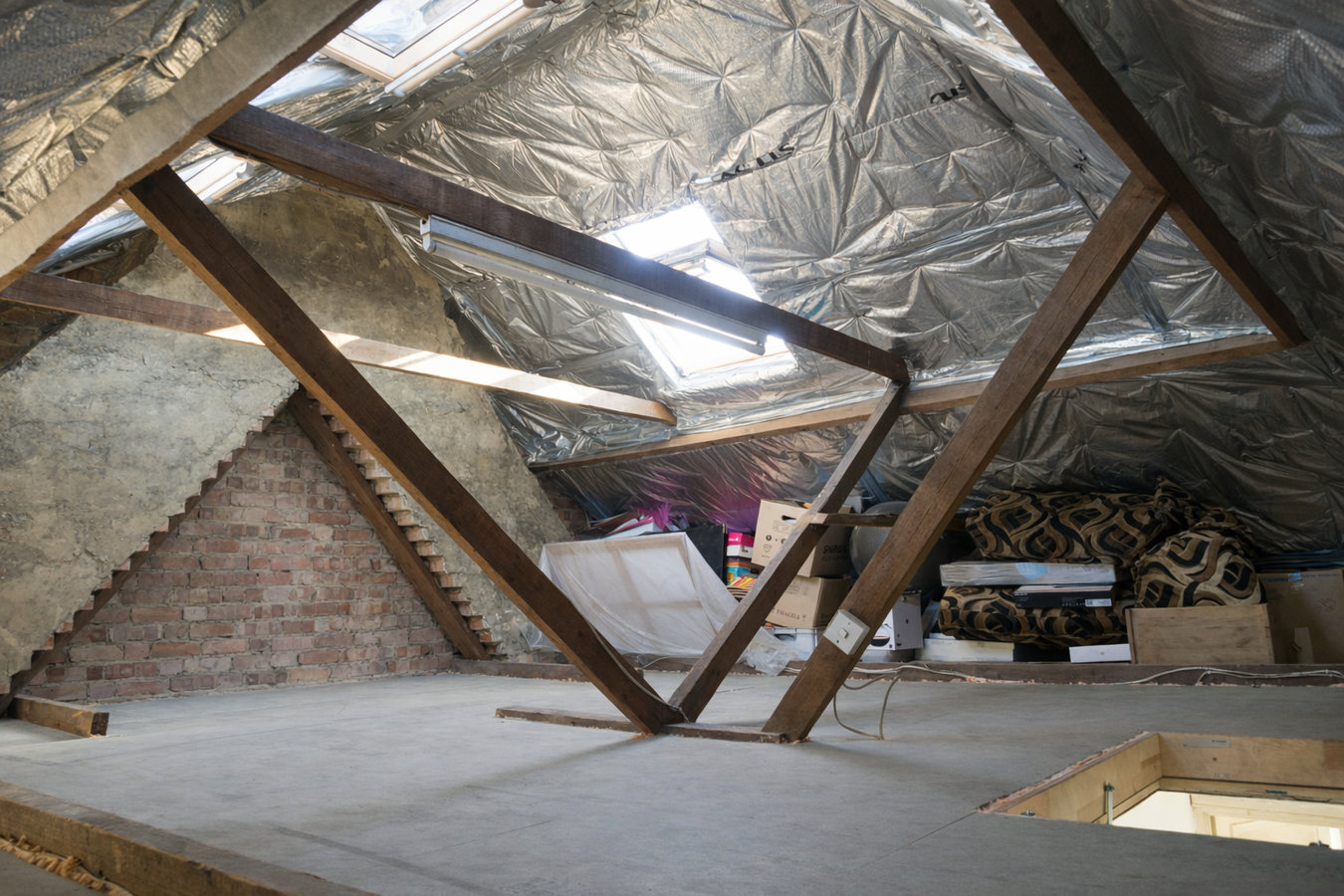
Much of Mount Pleasant's housing stock was built between 1990 and 2015 - homes that are now 15 to 35 years old and starting to show insulation that has compressed, settled, or simply never met current recommendations. The summer heat here pushes attic temperatures well above 130 degrees, and a thin or degraded attic layer transfers that heat straight into living spaces, making the air conditioner work far harder than it should. See our full attic insulation page for details on what the job involves.
Many Mount Pleasant homes sit on raised or crawl space foundations - a requirement in flood-zone areas to meet FEMA elevation standards. While raising the structure addresses flood risk, it also creates a crawl space that is exposed to the area's persistent ground moisture and high water table. Fiberglass batts in these spaces absorb that moisture and lose effectiveness quickly. Closed-cell foam or rigid board with a sealed vapor barrier is a much more reliable solution for these conditions.
Closed-cell spray foam is the insulation type that holds up best against Mount Pleasant's year-round humidity. For crawl spaces, rim joists, and any area where moisture is a recurring issue, spray foam seals the space completely rather than just slowing heat transfer. Homes in low-lying sections of neighborhoods like Seaside Farms and Snee Farm - where groundwater is a consistent concern - benefit most from foam's moisture-resistant properties.
With roughly 52 inches of rain per year and a high water table in many parts of town, Mount Pleasant crawl spaces face ground moisture year-round - not just after storms. A correctly installed vapor barrier stops that moisture from evaporating upward into floor joists and subfloors, which prevents the musty smells and wood degradation that show up in homes where this work was never done or was done with a thin, unsecured sheet.
Homes built in the 1990s and early 2000s - the majority of Mount Pleasant's housing stock - were constructed before tight air sealing was standard practice. Gaps around light fixtures, plumbing penetrations, and the top plates of exterior walls allow conditioned air to escape continuously. Adding insulation without sealing those gaps first produces disappointing results because the air leakage bypasses the insulation entirely.
For existing homes in Mount Pleasant where the attic is already built out and re-insulating with batts would require tearing things apart, blown-in cellulose or fiberglass is the practical choice. It fills around existing framing and fixtures without gaps, brings the overall depth up to current climate-zone recommendations, and can be done in a single morning without disrupting the home. It is also the most cost-effective way to address the mid-life insulation degradation that is common throughout town.
Mount Pleasant is a town that grew fast. Most of the housing stock went in between the early 1990s and the mid-2010s, which means a large share of homes are now old enough that roofs, HVAC systems, and insulation are all approaching or past the point where they need attention. That 15-to-30-year window is when insulation that was installed to the builder-grade standard starts to underperform - materials have compressed, air sealing details that were never tight to begin with have gotten worse, and the crawl spaces in lower-lying areas have absorbed years of the Lowcountry's persistent humidity. The result is homes that feel uncomfortable in summer, run air conditioning longer than they should, and sometimes develop moisture problems under the floor that homeowners do not notice until wood damage is already underway.
The flood zone requirements that affect a significant portion of Mount Pleasant - particularly in waterfront and low-lying neighborhoods - add another layer of complexity. Many homes built after FEMA updated the flood maps were elevated on raised foundations or constructed with crawl space footprints designed to meet those requirements. Those elevated crawl spaces are exposed to outdoor air on multiple sides, which means moisture management is a year-round job rather than a seasonal concern. The town also has a meaningful stock of older homes - particularly in the Old Village near Pitt Street - where construction dates back to the early 20th century and where the insulation, if it exists at all, was never designed for modern energy performance expectations.
Our crew works throughout Mount Pleasant regularly, and we understand the local conditions that affect insulation work here. The town sits on a peninsula between the Cooper River and the Intracoastal Waterway - a geography that shapes everything from drainage patterns to groundwater levels in crawl spaces. We know what moisture conditions look like in homes near Shem Creek compared to homes further inland in Park West or Rivertowne, and we approach the material selection and scope differently based on what we find on-site.
The Old Village area near Pitt Street is a neighborhood we work in regularly, and we understand that the historic wood-frame homes there need a different approach than newer construction. We are also familiar with the major corridors that define the town - Long Point Road, Highway 17 North, and the subdivisions that expanded along them during the town's rapid growth period. The Patriots Point waterfront area and the neighborhoods surrounding Wando High School are both within our regular service territory.
We also serve homeowners in Charleston across the Ravenel Bridge, where we handle the full range of insulation work from historic peninsula homes to newer commercial buildings. Homeowners in James Island are also within our regular service area if you are in that part of the Charleston metro.
Reach out by phone or through our contact form and we will reply within 1 business day. You do not need to know exactly what the problem is - just describe what you have noticed, such as high bills, uneven temperatures, or a moisture smell, and we will take it from there.
We visit your Mount Pleasant home, look at the attic, crawl space, or other areas of concern, and measure what is already there. We provide a written estimate spelling out exactly what will be done, what materials will be used, and the total cost - before any work begins. We also let you know upfront whether a permit is needed for your project.
Most residential insulation jobs in Mount Pleasant are finished in a single day, often in just a few hours. You do not need to leave your home, though we ask for clear access to the attic hatch and any crawl space entry points. If spray foam is part of the scope, the treated area needs to be unoccupied for a few hours while it cures.
Before leaving, we walk you through what was done, confirm everything looks right, and provide written documentation of the materials and coverage - useful for federal tax credits and any insurance claims. We leave the space clean and remove all equipment and debris.
We serve homeowners throughout Mount Pleasant, SC - from Park West and Carolina Park to the Old Village. Most estimates are scheduled within a few days of your call.
(843) 543-6405Mount Pleasant is one of the fastest-growing cities in South Carolina, with a population now above 90,000. It sits directly across the Cooper River from downtown Charleston, connected by the Arthur Ravenel Jr. Bridge, and its location on a peninsula between the Cooper River and the Intracoastal Waterway shapes both its character and its flood exposure. The town includes dozens of distinct neighborhoods - from the historic Old Village near Pitt Street, where homes date back to the early 1900s, to large planned communities like Park West and Carolina Park where most construction happened within the last 15 years. Median home values are among the highest in the Charleston metro, reflecting both the quality of the school system and the desirability of living close to the water and the city.
The housing stock in Mount Pleasant is predominantly single-family detached homes, with most properties having crawl space or raised foundations. Neighborhoods near the water - Seaside Farms, Snee Farm, and parts of Isle of Palms Connector corridor - face the most consistent moisture exposure. Families tend to stay in Mount Pleasant for years, which means most homeowners are invested in the long-term condition of their properties. That mindset makes proper insulation work - done once, done right - a natural priority. Nearby communities including Charleston and Folly Beach are part of the same coastal environment and face similar insulation challenges.
Seals gaps and expands on contact for airtight, lasting thermal protection.
Learn MoreProtects floors and pipes from moisture and temperature extremes below.
Learn MoreDense, waterproof foam delivering the highest R-value per inch available.
Learn MoreLightweight foam that fills large cavities and absorbs sound effectively.
Learn MoreCode-compliant insulation for offices, warehouses, and commercial buildings.
Learn MoreBlocks ground moisture to prevent mold, rot, and structural damage.
Learn MoreControls moisture migration throughout your home for a healthier environment.
Learn MoreTargets attic bypasses and penetrations to stop conditioned air from escaping.
Learn MoreUpgrades insulation in existing finished walls without major demolition.
Learn MoreCall Hanahan Insulation or fill out our contact form to schedule a free on-site estimate anywhere in Mount Pleasant, SC.